How Custom Website Development Builds a Stronger Online Presence for Lancashire Businesses
Why Off-the-Shelf Templates Fall Short for Local Brands
When I started working with small businesses across Lancashire, I noticed a pattern. Many owners had bought a cheap template, loaded their logo onto it, and called it a day. A few months later, they wondered why their site didn't bring in leads. The problem wasn't the business or the product. It was the lack of a tailored approach. A generic theme can look fine on a demo page, but it rarely matches how a specific company operates. That is where custom website development comes into play. It gives you a site built around your actual customers, your real workflows, and the local market you serve.
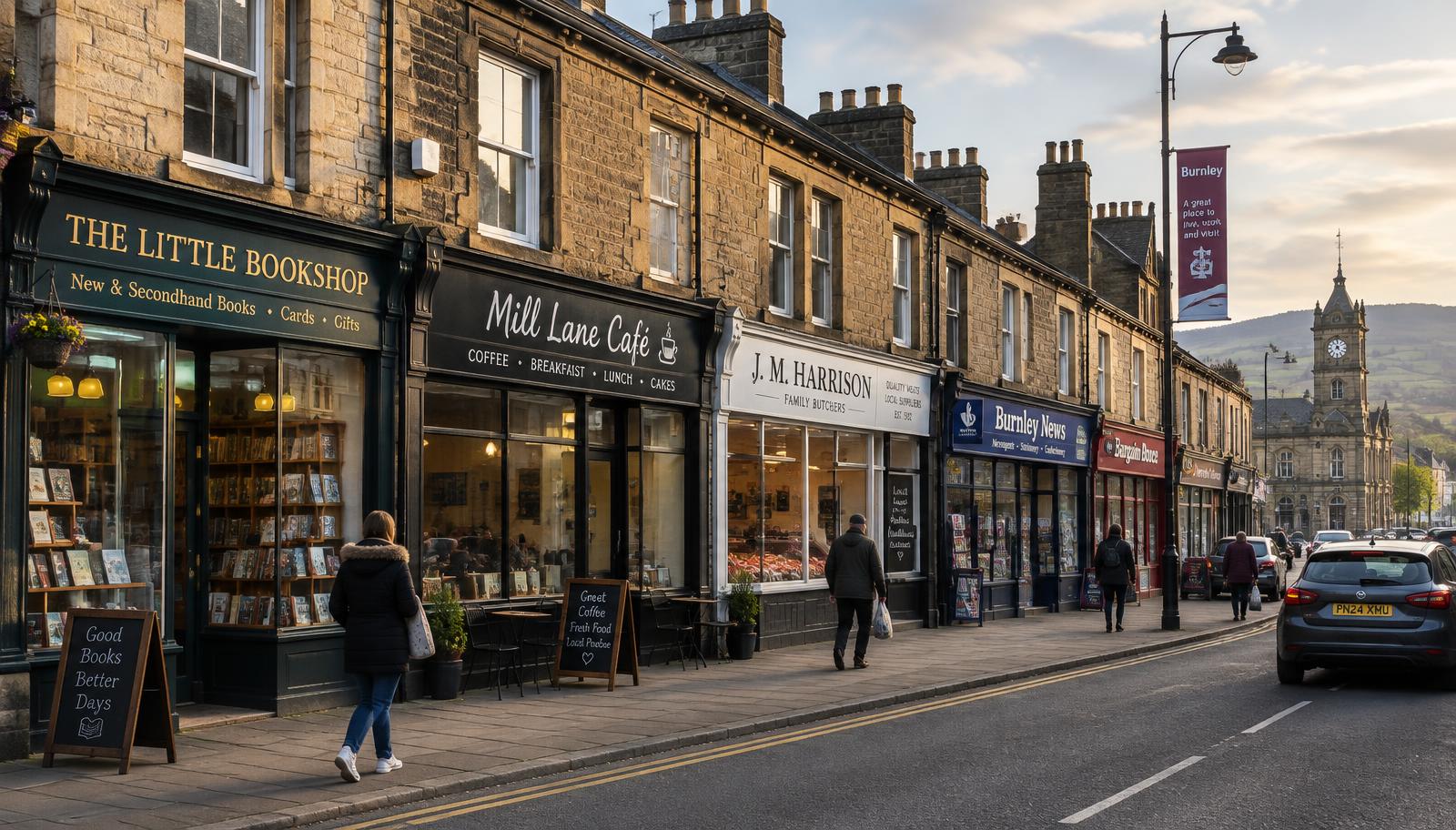
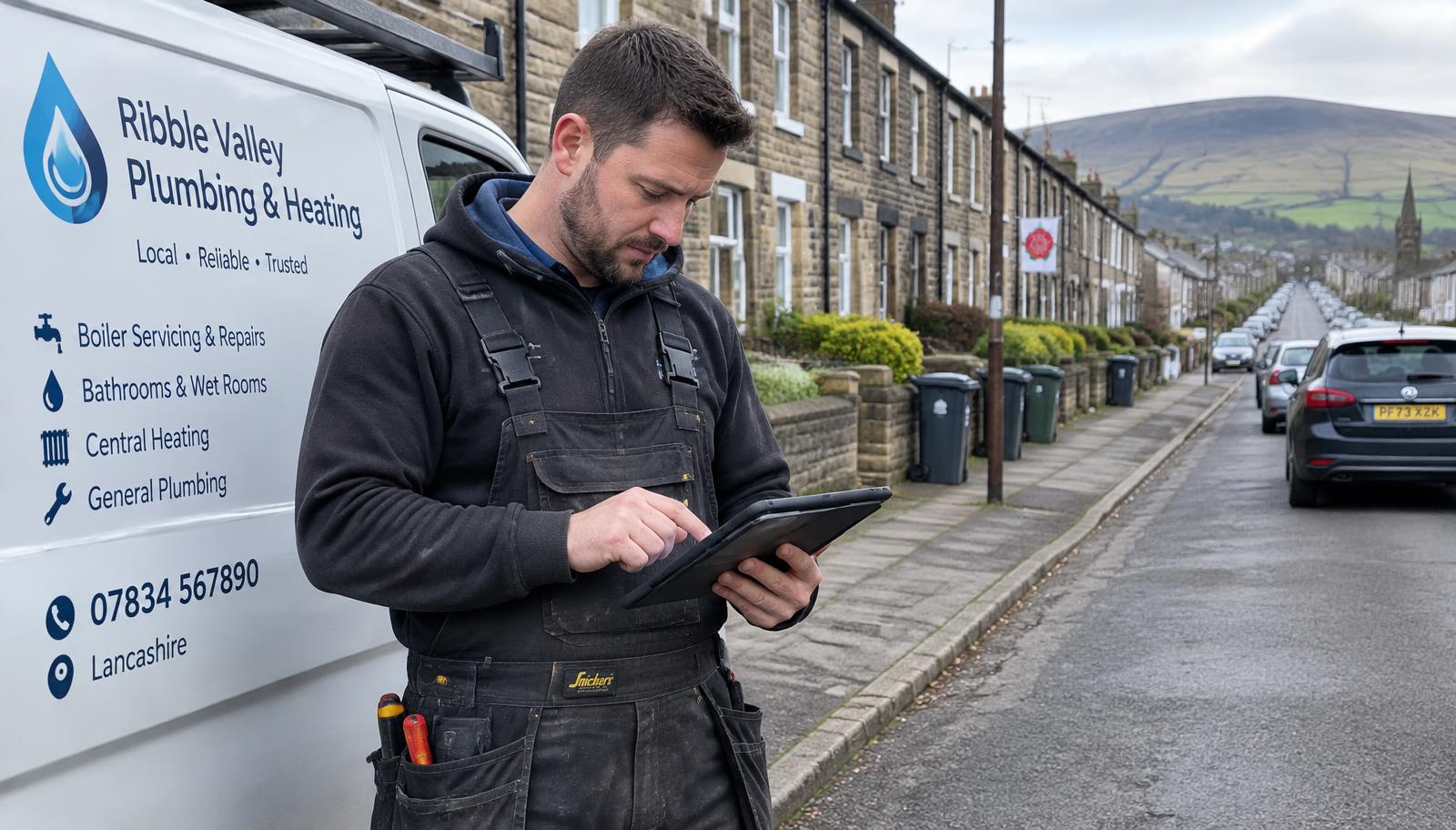
Burnley has a strong community of independent retailers, tradespeople, and service providers. Each one has a different story. A plumber in Colne needs a simple booking system and a clear phone number. A boutique in Burnley town centre needs high-quality product images and a smooth checkout. An accountant serving the Ribble Valley needs a secure client portal and clear calls to action. None of these needs are met well by a one-size-fits-all template. Custom website development means every feature, every page, and every piece of code is there for a reason. It is not filler. It is function.
The Real Difference between Templates and Bespoke Builds
A template is a compromise from the start. You pick the closest layout and then try to force your content into it. The navigation might not match your product categories. The typography might not suit your brand voice. The contact form might not capture the fields you actually need. With custom work, you decide the structure. You decide how your visitors move from the homepage to the checkout. You decide what happens after someone submits a form. That level of control matters more than most business owners realise.
I once worked with a local bakery in Burnley that had been using a popular template for two years. Their online orders were low. After switching to a custom WordPress setup with a tailored WooCommerce integration, their repeat orders grew steadily. The difference was not the brand or the pricing. It was the user experience. The new site loaded faster on mobile, displayed product variations clearly, and sent order confirmations automatically. That is the kind of result that comes from building for a specific business, not for a generic audience.
Technology Choices That Serve Your Business Goals
There is no single platform that works for everyone. Some businesses need the flexibility of WordPress paired with a custom PHP backend. Others need the all-in-one nature of Shopify for quick setup and reliable hosting. For larger catalogues or complex inventory needs, Magento can be the right fit. The key is to match the technology to the business, not the other way around.
For example, a small retailer in Burnley selling handmade furniture might benefit from WooCommerce on WordPress. It gives them full control over product pages, shipping rules, and payment gateways. They can also add local SEO features easily, helping people in Lancashire find them when searching for handmade oak tables or custom shelving. On the other hand, a business that wants to start selling online quickly without worrying about server maintenance might prefer Shopify. It handles the web hosting, security updates, and mobile optimisation out of the box.
For a company with a massive product line and advanced pricing rules, Magento offers the depth needed. But it also requires more technical skill to maintain. That trade-off is something a developer should discuss with the business owner before writing a single line of code. The goal is not to use the flashiest tool. It is to use the tool that fits the budget, the timeline, and the long-term plan.
Performance and Speed Are Not Optional
Page speed affects everything. It affects how users feel about your site. It affects your ranking on search engines. A slow site built on a bloated theme can lose you customers before they even see your products. Tools like Google PageSpeed Insights and GTmetrix give clear data on what is slowing a page down. Large images, too many scripts, and poor server response times are common culprits. In custom website development, you can control every byte that loads. You can optimise images, minify CSS3 and JavaScript, and choose a hosting provider that actually delivers on speed.
I have seen a small business in Burnley cut their load time by over half just by moving from a shared hosting plan with a template to a properly configured custom site. The bounce rate dropped. The time on site increased. Those metrics translate directly into more enquiries and more sales. For local SEO, speed is a ranking factor too. Google wants to serve fast pages to searchers in Lancashire. If your site is slow, you will struggle to appear in local pack results no matter how good your content is.
Building for Mobile First
Most traffic on local business websites now comes from phones. If your site does not look good and work well on a small screen, you are turning away customers. Responsive web design is not a bonus feature. It is a baseline. But responsive design done with a template can still feel clunky. Menus that collapse awkwardly, buttons that are too small to tap, and images that resize poorly are common. With a custom build, you design the mobile experience first. You decide how the navigation behaves, how the product grid reflows, and how the contact form fits into a portrait screen. HTML5 and CSS3 give you the tools to create layouts that adapt cleanly without extra bloat.
Content Management That Does Not Drive You Mad
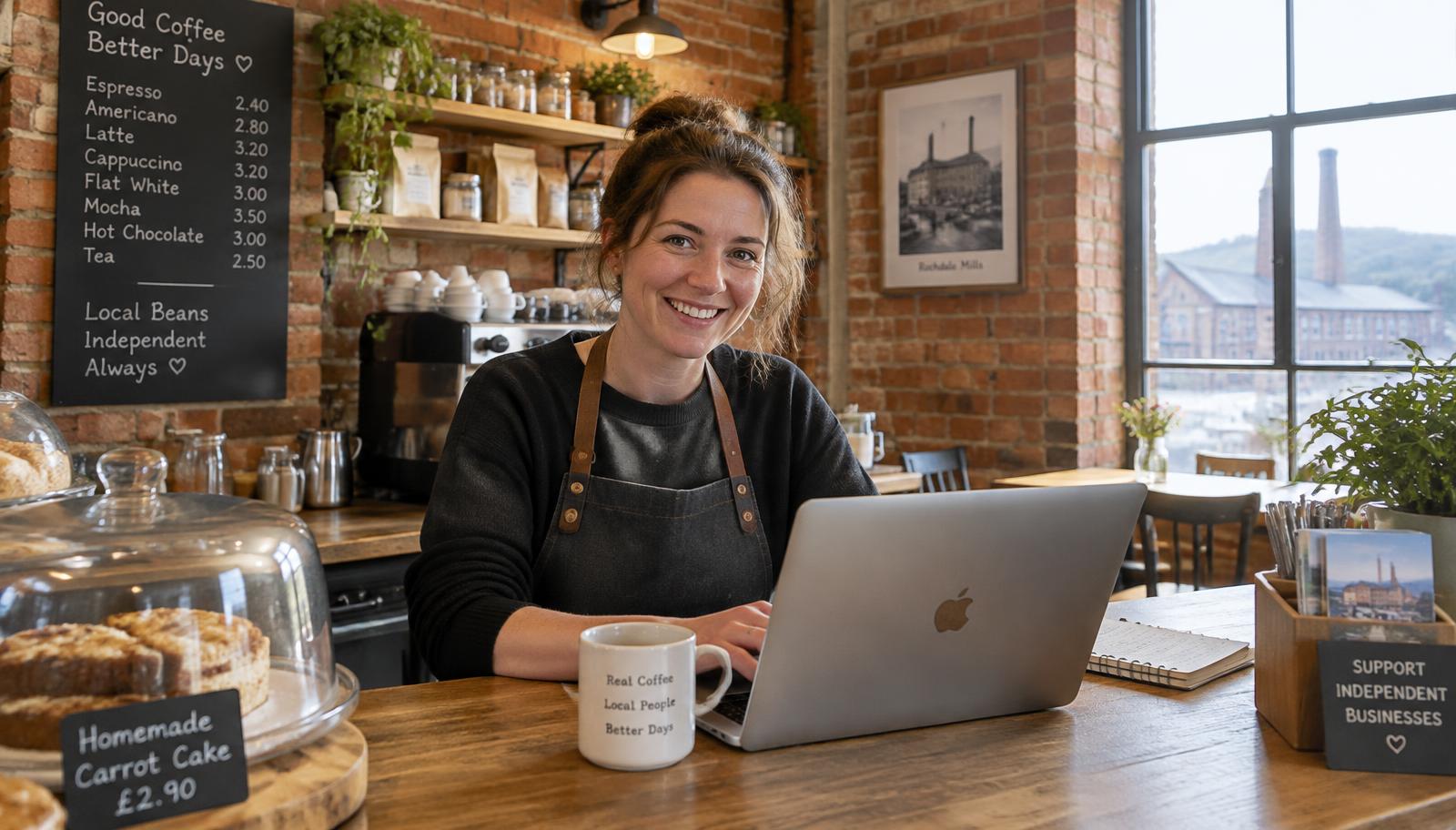
One of the biggest fears small business owners have about a new website is that they will be stuck relying on a developer every time they want to change a paragraph or add a new product. A good custom build solves that by using a content management system that fits the owner's skill level. WordPress is a common choice because it is easy to learn and has a huge ecosystem of plugins. But it should be set up properly from the start. That means clean code, a sensible admin panel, and documentation on how to update pages without breaking anything.
I once helped a local charity in Burnley move from a static HTML5 site to a custom WordPress build. They had been paying someone every time they needed to update their event calendar. After the switch, they could log in, add events, upload photos, and publish posts themselves. That independence saved them money and gave them control. That is the value of thoughtful custom website development. It is not just about how the site looks. It is about how it works for the people running it day to day.
Local SEO as Part of the Build, Not an Afterthought
If you run a business in Lancashire, you want people in Lancashire to find you. Local SEO should be baked into the site from the beginning, not tacked on later. That means proper schema markup, location-specific landing pages, and clean URL structures. It means making sure your business name, address, and phone number are consistent across the site and match your Google Business Profile. A custom build makes this straightforward. You can add schema for your Burnley address, create pages for each service area, and optimise meta tags for local search terms without fighting a template's rigid structure.
For e-commerce development, local SEO matters too. A WooCommerce store selling handmade goods in Lancashire can target phrases like "handmade candles Burnley" or "local pottery shop Lancashire" and rank well if the site is built with those keywords in mind. A template might bury those opportunities in generic category pages. A custom site surfaces them.
Maintenance and Hosting: The Unsung Foundations
A custom site is only as good as the environment it lives on. Web hosting matters more than many realise. Cheap shared hosting can slow down even the best optimised code. For a small business, a reliable managed hosting plan with regular backups and PHP updates is worth the extra cost. The same goes for the database. MySQL powers the backend of many custom sites, and keeping it tuned prevents slowdowns as your product catalogue grows.
I always advise clients to budget for ongoing maintenance. A site is not a one-time project. Security patches come out. Browsers change. New devices appear. A developer who built your site can keep it running smoothly for years. That relationship is more valuable than buying a new template every eighteen months.
When Custom Makes Sense and When It Does Not
Not every business needs a fully custom build. If you are a sole trader testing a new idea on a tight budget, a well-chosen theme with some tweaks might be enough. But if you plan to grow, if you have specific customer needs, or if you want to stand out in a crowded local market, custom website development is a smart investment. It gives you a foundation that you can build on. It avoids the limitations that eventually force template users to start over.
For small and medium businesses across Burnley and the rest of Lancashire, the choice comes down to ambition. If you want a site that works as hard as you do, that loads fast on every device, and that brings in customers from local searches, then a custom approach is the right path. It takes more time upfront. It costs more than a template. But it pays back in performance, flexibility, and peace of mind.